What TheGamer's 2022 Editor Features Revealed About Their Writers
A brutal 2022 retrospective on TheGamer's top features editors reveals how Star Wars discourse, fandom outrage, and Red Dead Online drive attention.
As the final days of 2022 folded into memory, one TheGamer writer looked back at the site’s top-ranked features and decided to draw conclusions about the editors behind them. The results were less a standard year-in-review and more a playful dissection of internet culture, fandom outrage, and the strange ways attention works in games media. Four years on, those observations still hold up as a time capsule of an industry caught between hype cycles and hard truths.
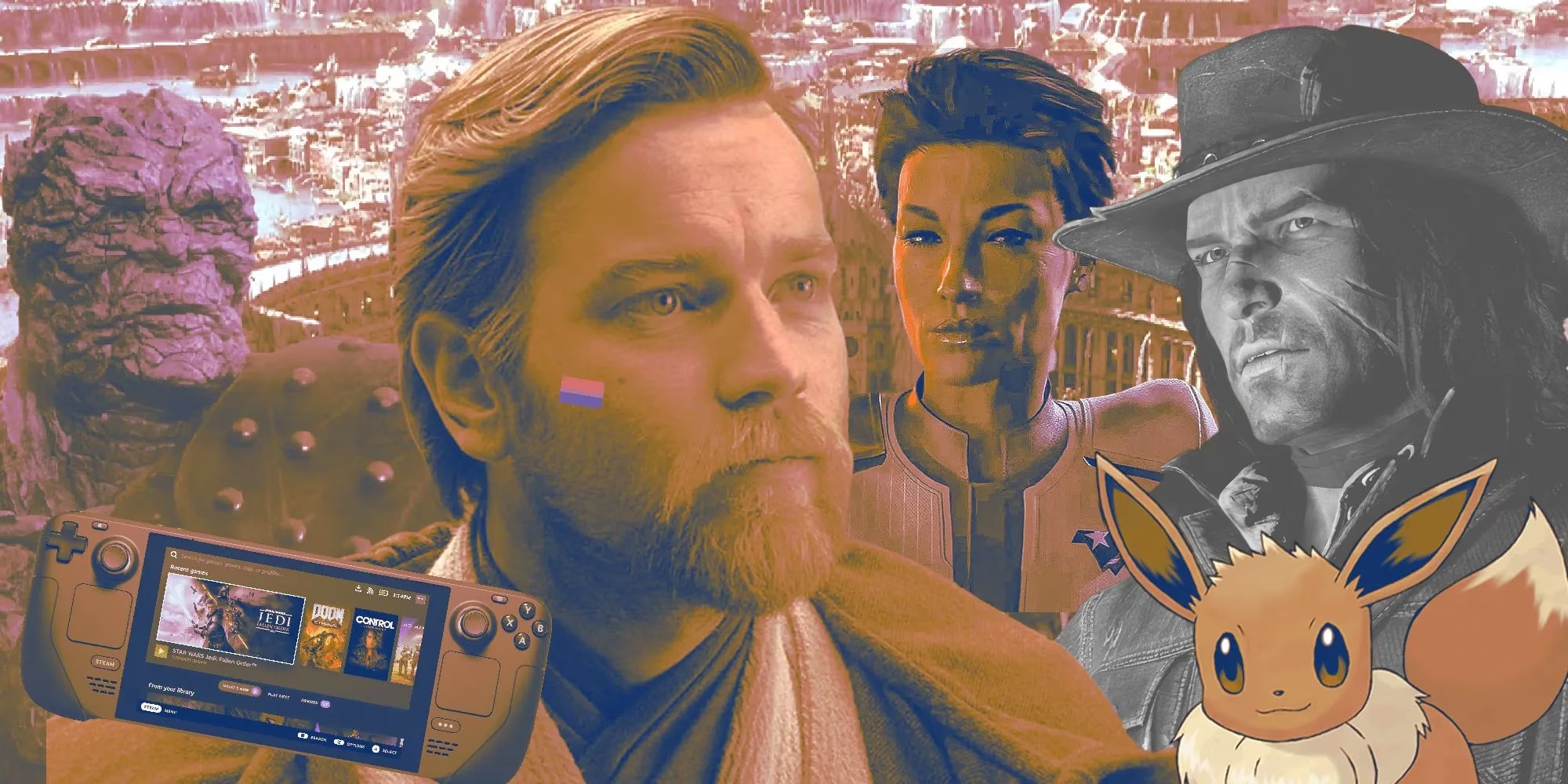
The exercise began with a simple idea: take each features editor’s highest-performing story and ask what it revealed about them. It was never meant to be fair. That was precisely the point.
James Troughton and the Perils of Star Wars Discourse
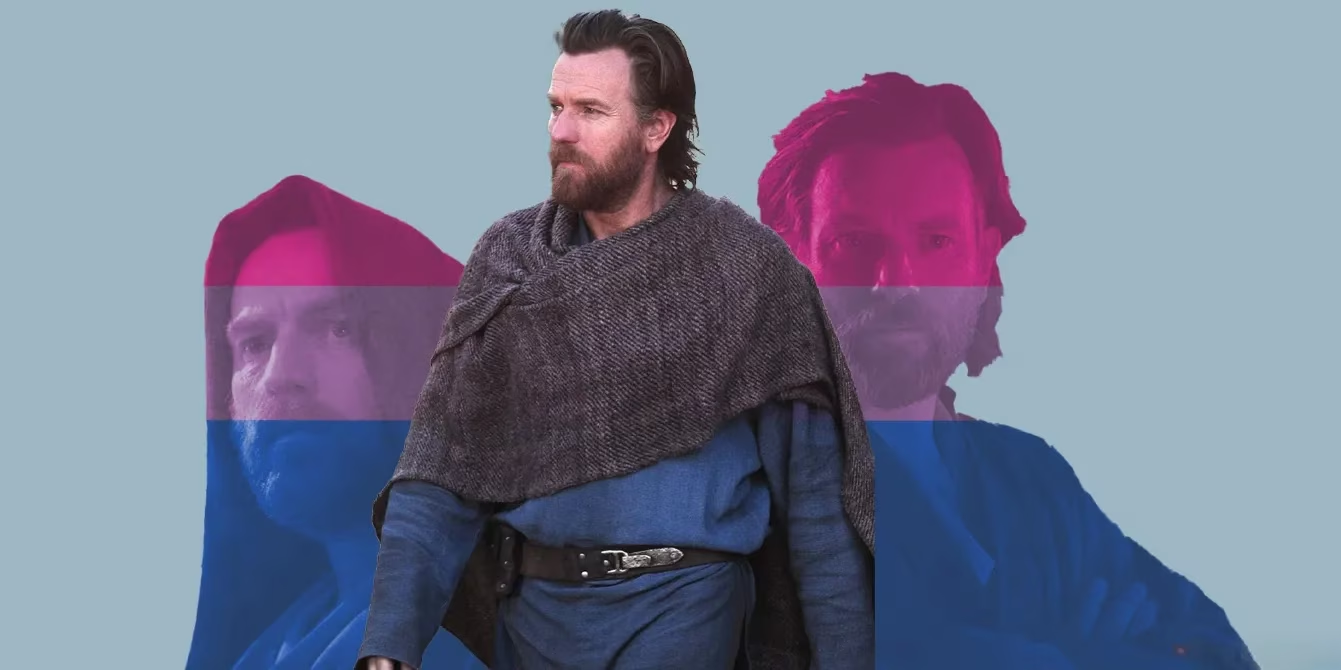
James Troughton’s standout feature argued that a second season of Obi-Wan Kenobi needed to explore his sexuality. It pointed to various Star Wars novels that had touched on Obi-Wan’s bisexuality, and suggested a show devoted to filling in his backstory would have been richer for acknowledging it. In the ecosystem of online opinion, this was practically an invitation for fury. The article’s actual argument mattered less to a certain crowd than the mere combination of Star Wars and queer discourse. The takeaway, as the retrospective put it, was that James must enjoy being yelled at by angry loners on the internet. Writing any Star Wars opinion was compared to wearing a raw steak necklace in a lion enclosure; adding LGBTQ+ readings meant slathering it in barbecue sauce.
Issy van der Velde and the Art of the Farewell
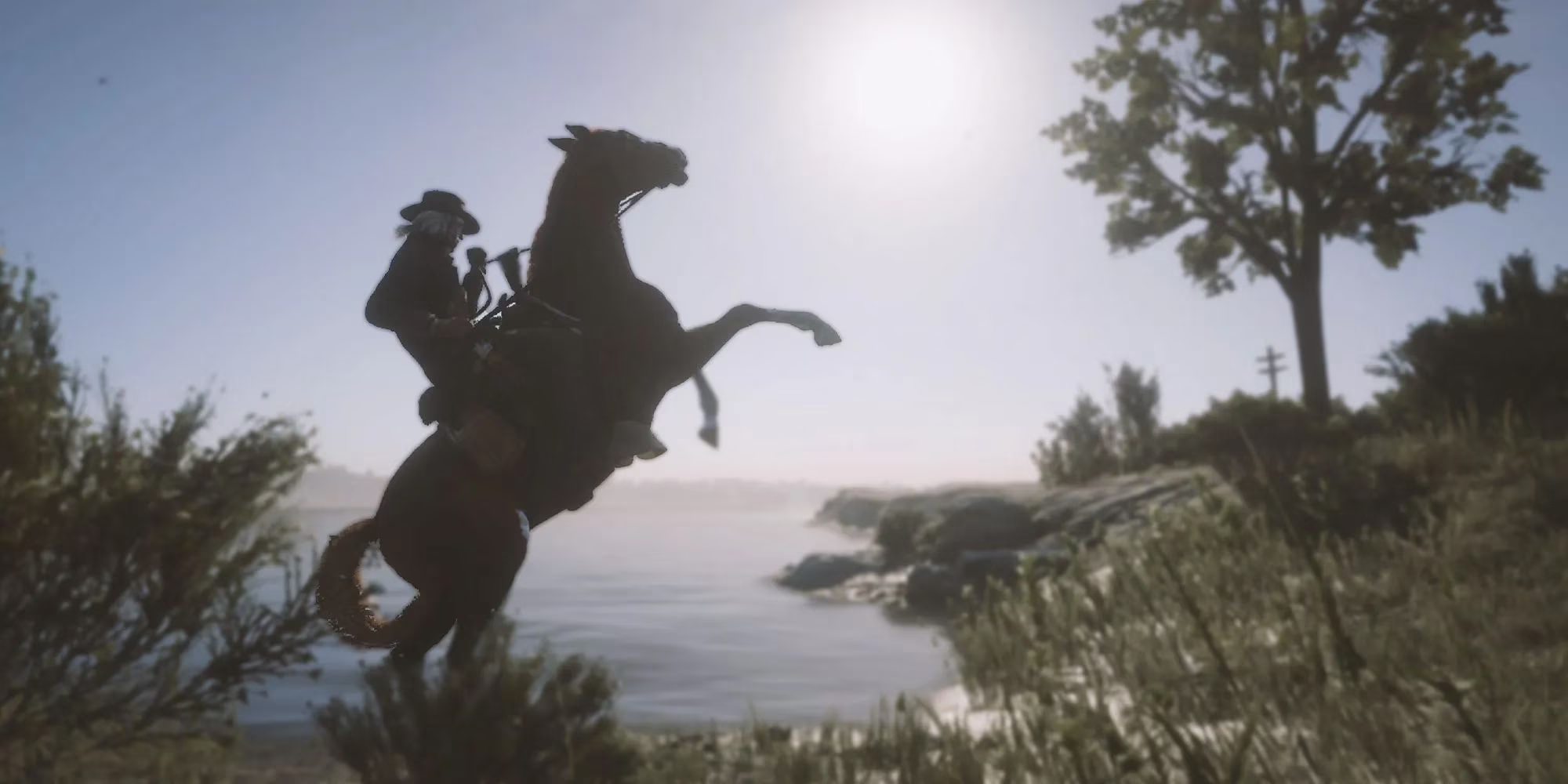
Issy van der Velde’s top feature was a farewell to Red Dead Online. On the surface, it looked like a somber tribute: players devastated, hundreds of thousands of development hours spent, a live-service experiment quietly abandoned. But the retrospective labeled Issy a click hunter with exaggerated bluntness. The logic was simple—shutdown stories draw readers. Issy once wrote weekly Red Dead Online guide updates, but they stopped because almost nobody was playing the game. After years of trying, he had finally found a Red Dead readership. Unfortunately, they had gathered at the funeral.
Andrew King and the Marvel Problem
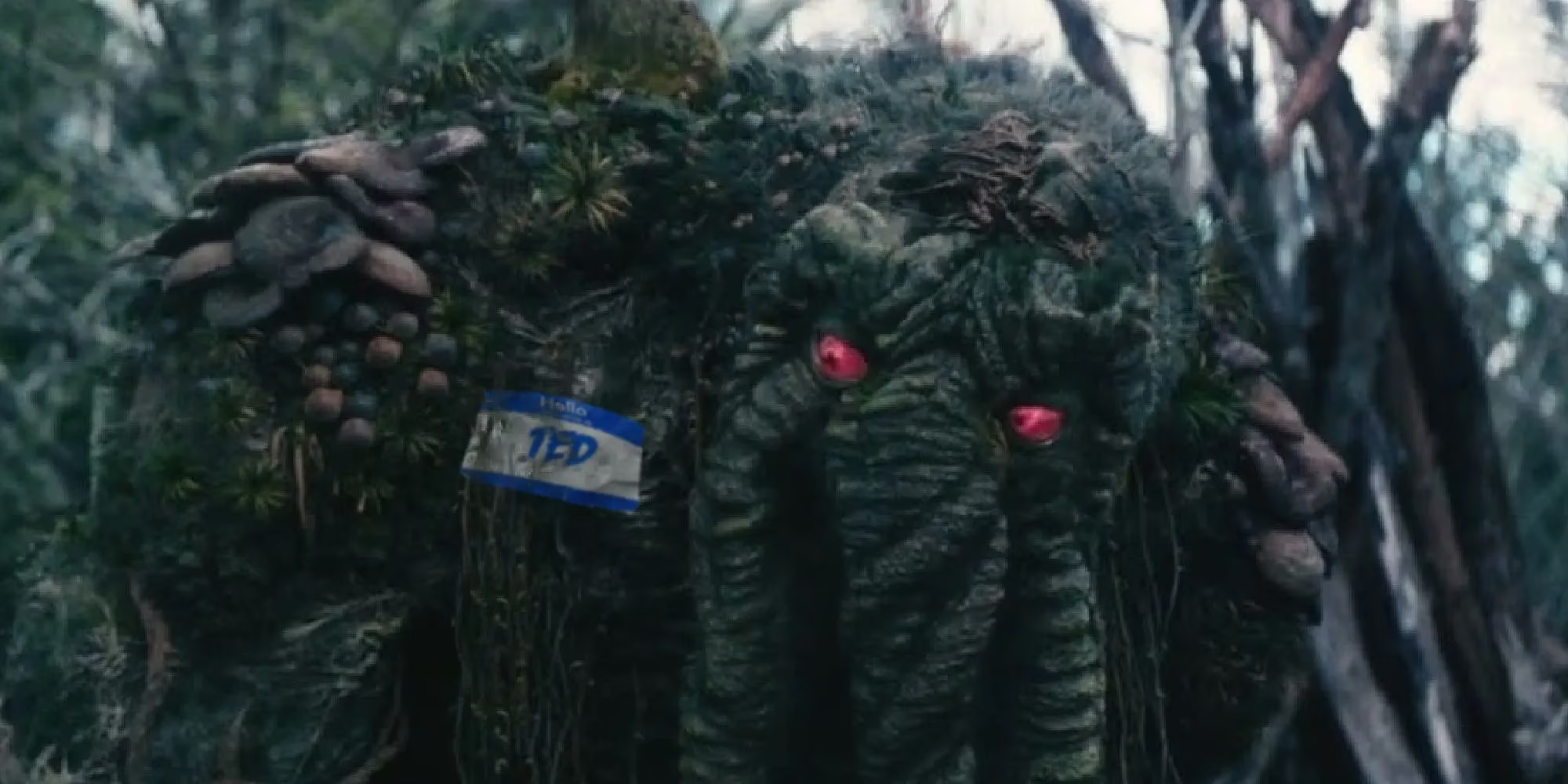
Andrew King was described as TheGamer’s movie specialist, and the fact that his most-read feature was about the Marvel Cinematic Universe reportedly stung a little. He had written layered cinematic criticism elsewhere, yet he was represented by a piece titled ‘I’m Tired Of There Only Being One Joke In The MCU.’ The retrospective accepted this as an accurate reflection of the movie business. Even by 2026, few franchises had broken Marvel’s grip on mainstream film discourse. Nobody, the piece suggested, was bigger than Marvel—not even writers who might prefer to discuss Tár.
Ben Sledge and the Steam Deck Debate
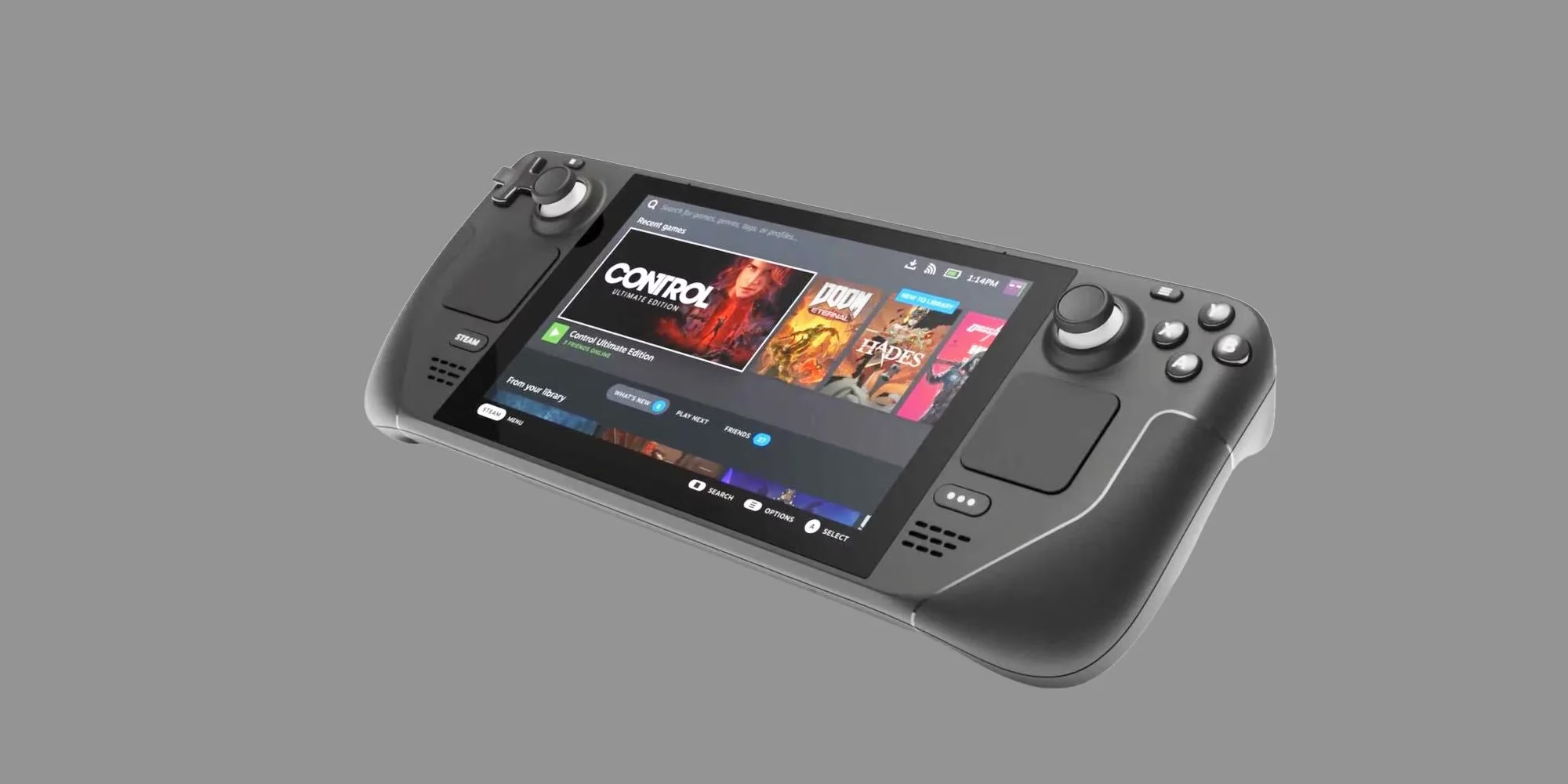
Ben Sledge’s top feature claimed the Steam Deck was not fit for purpose. The retrospective called it the most surprising entry on the list, because early hardware reviews were glowing. Console reviews often forgive teething problems, imagining the product that might exist after improvements rather than the product that actually shipped. TheGamer took a more pragmatic stance, and it performed well. Still, the writer admitted expecting Ben’s top article to involve an Apex Legends grenade or some other obsession. He wrote about the game enough.
Eric Switzer and the Eeveelution That Never Came
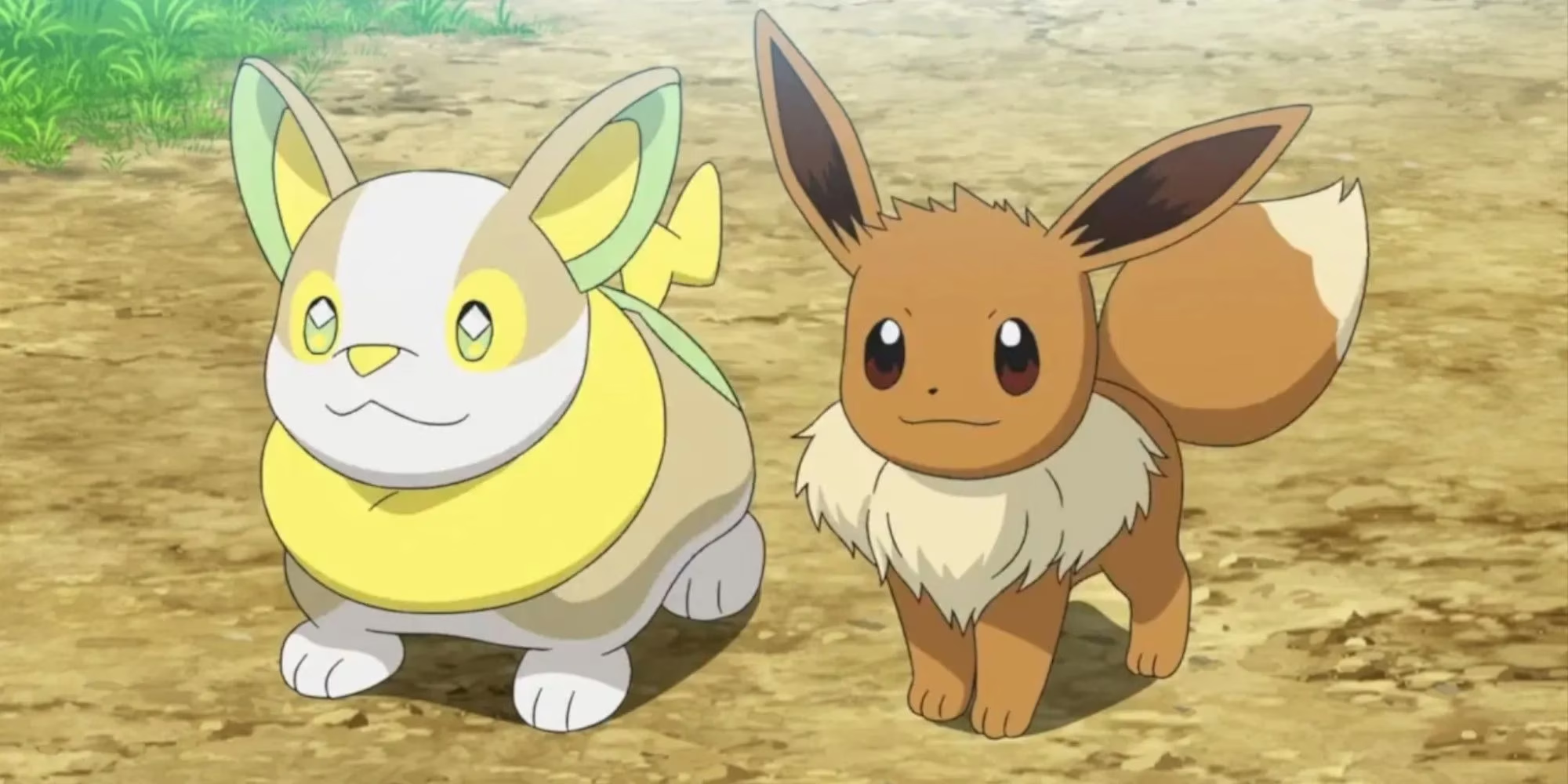
Eric Switzer’s most-read feature said a new Eeveelution had already been practically confirmed by the anime. It became the site’s highest-performing feature of the year. The retrospective concluded that Eric enjoyed being wrong—publicly and loudly. To be fair, the theory was solid. Chloe’s mysterious Eevee seemed poised to evolve into something new, and Eevee’s immense popularity made the bait-and-switch odd. By 2026, the absence of another Eeveelution had only grown harder to ignore, turning that wrong prediction into a lasting meme. Eric also watched every Pokémon movie to re-review them and ran a recurring column on gym leaders, so Pokémon dominance felt fitting.
Jade King and the Altissia Take
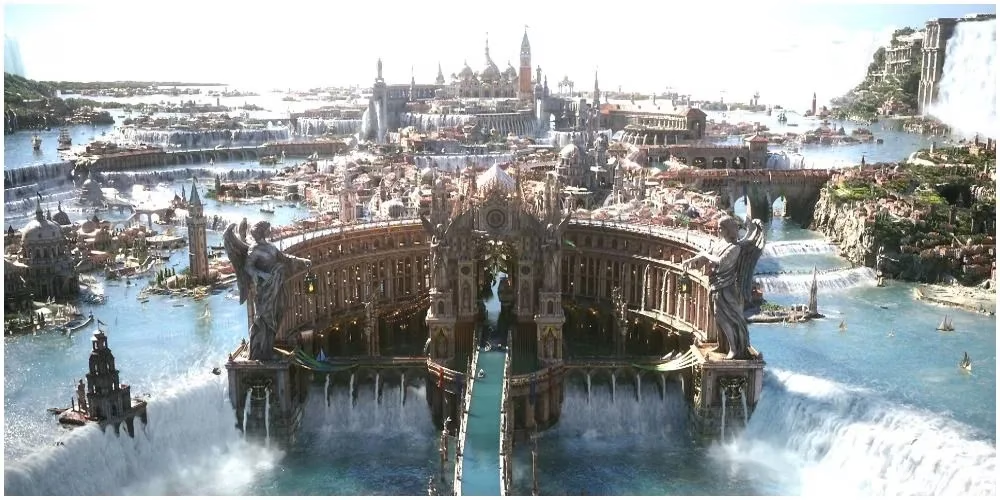
Jade King’s top feature declared Final Fantasy 15’s Altissia the worst city ever seen in a JRPG. The retrospective responded with mock exasperation, asking why so many readers wanted 2022 Final Fantasy 15 content when Final Fantasy 7 Remake and the Final Fantasy 14 revival existed. The answer might simply be that strong opinions endure. Altissia’s gorgeous canals and confusing layout continued to spark debate among fans long after release. The article was described as ‘weeb nonsense’ with affection, though the writer conceded Jade wrote plenty about newer games too. Some arguments never really die.
Stacey Henley and the Cyberpunk DLC Complaint
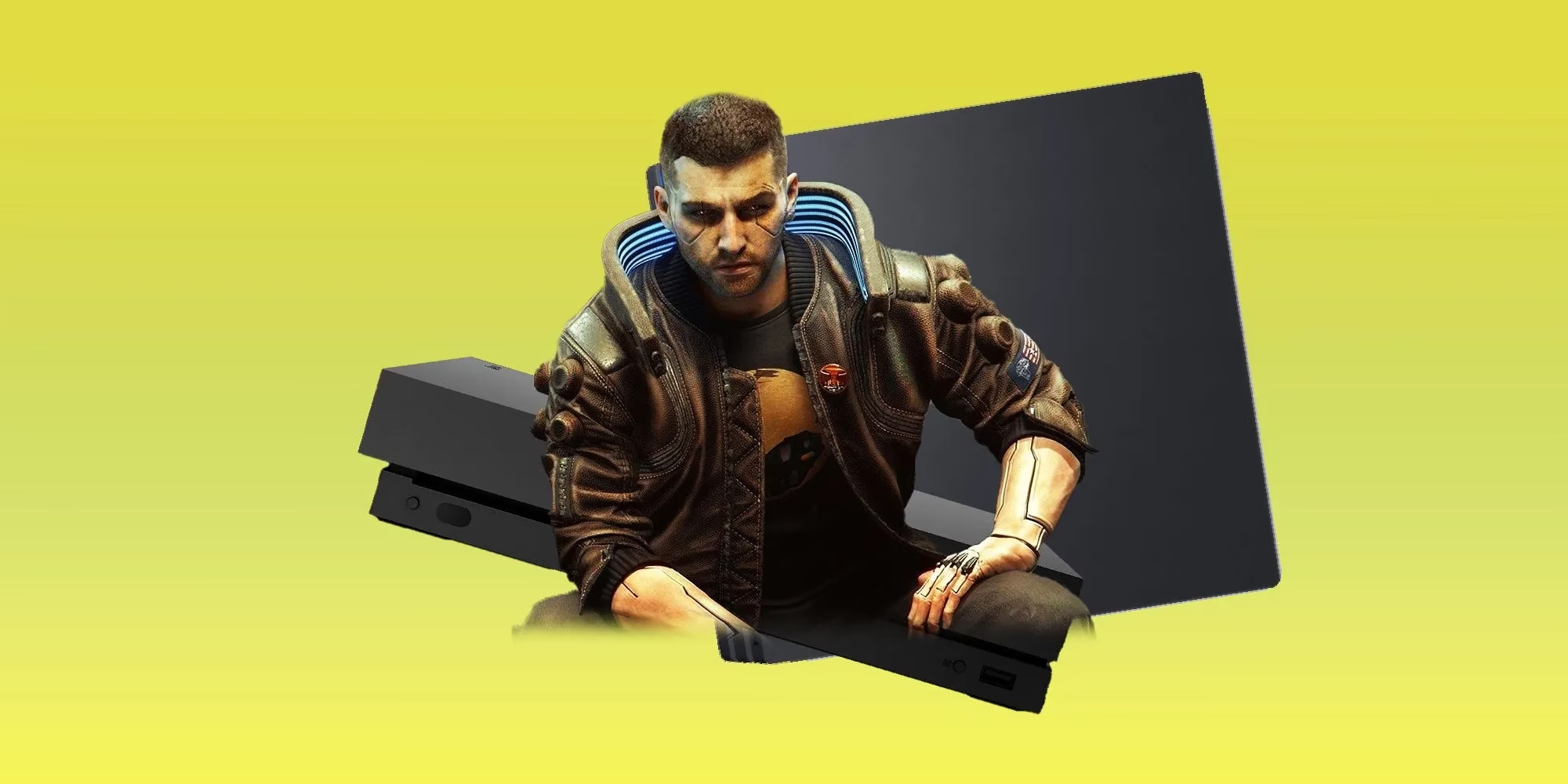
Stacey Henley’s top feature tackled Cyberpunk 2077’s DLC strategy, calling it another anti-consumer move CD Projekt Red was getting away with. The argument was straightforward: Cyberpunk 2077 launched on Xbox One and PS4 with promises of massive DLC packs, then delivered only a single expansion available exclusively on Xbox Series X/S and PS5—platforms the original game never launched on. Some readers agreed. Others reacted with fury, presumably because they owned CDPR stock. The retrospective placed Stacey alongside James as someone who also enjoyed being yelled at by angry loners on the internet, bouncing between silly features and news criticism about 2022’s many bad gaming trends.
Looking back from 2026, that end-of-year roundup remains revealing not just about individual editors, but about how games media worked during a strange transitional era. It captured the tension between honest criticism and engagement bait, between niche passion and algorithmic reach. Above all, it showed that the strongest features were rarely neutral. They poked at fanbases, questioned hardware hype, and turned wrong predictions into unforgettable traffic events. In the years since, the industry changed—but the appetite for strong takes did not.