The Gunslinger’s New Dawn: How the 2026 Red Dead Remaster Rewrites the West
The Red Dead Redemption remaster elevates heists and outfit customization, weaving emotional reunions into John Marston’s final ride.
The dust of New Austin never settled quite the same way twice. In 2026, a remaster of Red Dead Redemption arrived not as a simple coat of paint, but as a full reinvention of John Marston’s final ride. Players who first roamed these plains over a decade ago found a world that felt both achingly familiar and startlingly new, like a beloved old revolver passed down through generations only to be fitted with a modern mechanism that still held the spirit of its history. Every creak of leather and distant howl carried the weight of memories, yet the horizon shimmered with possibilities that once existed only in wishful forum posts.
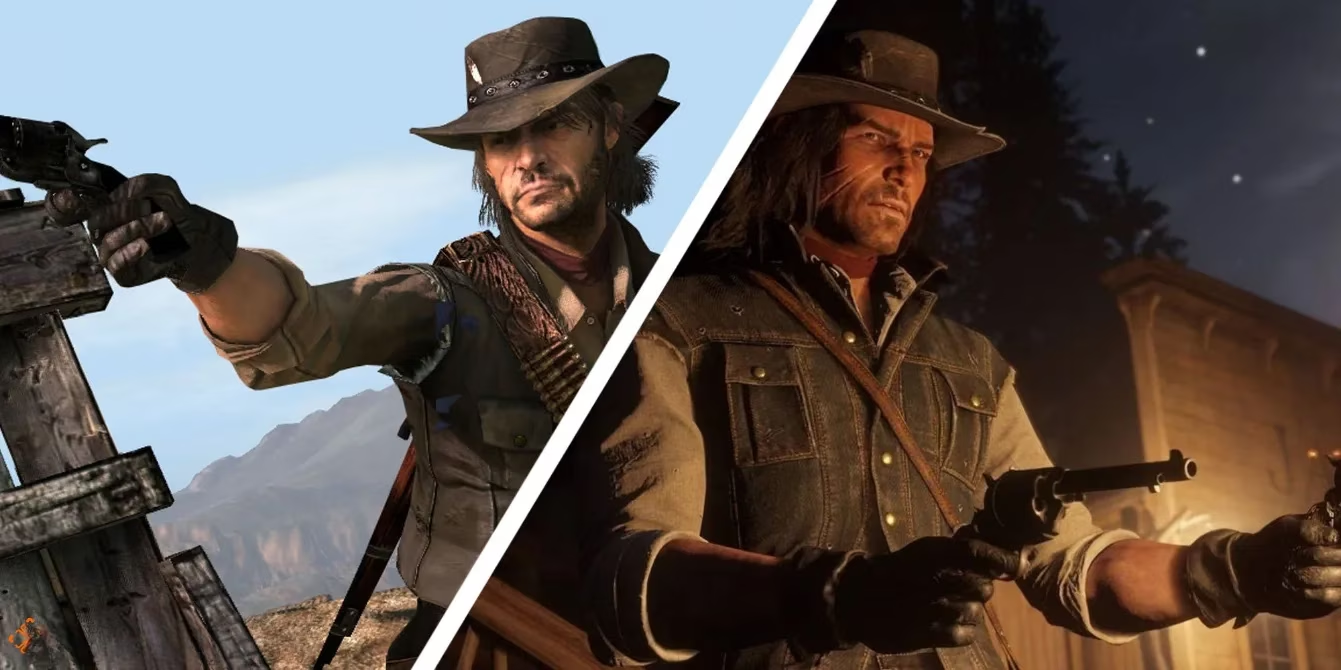
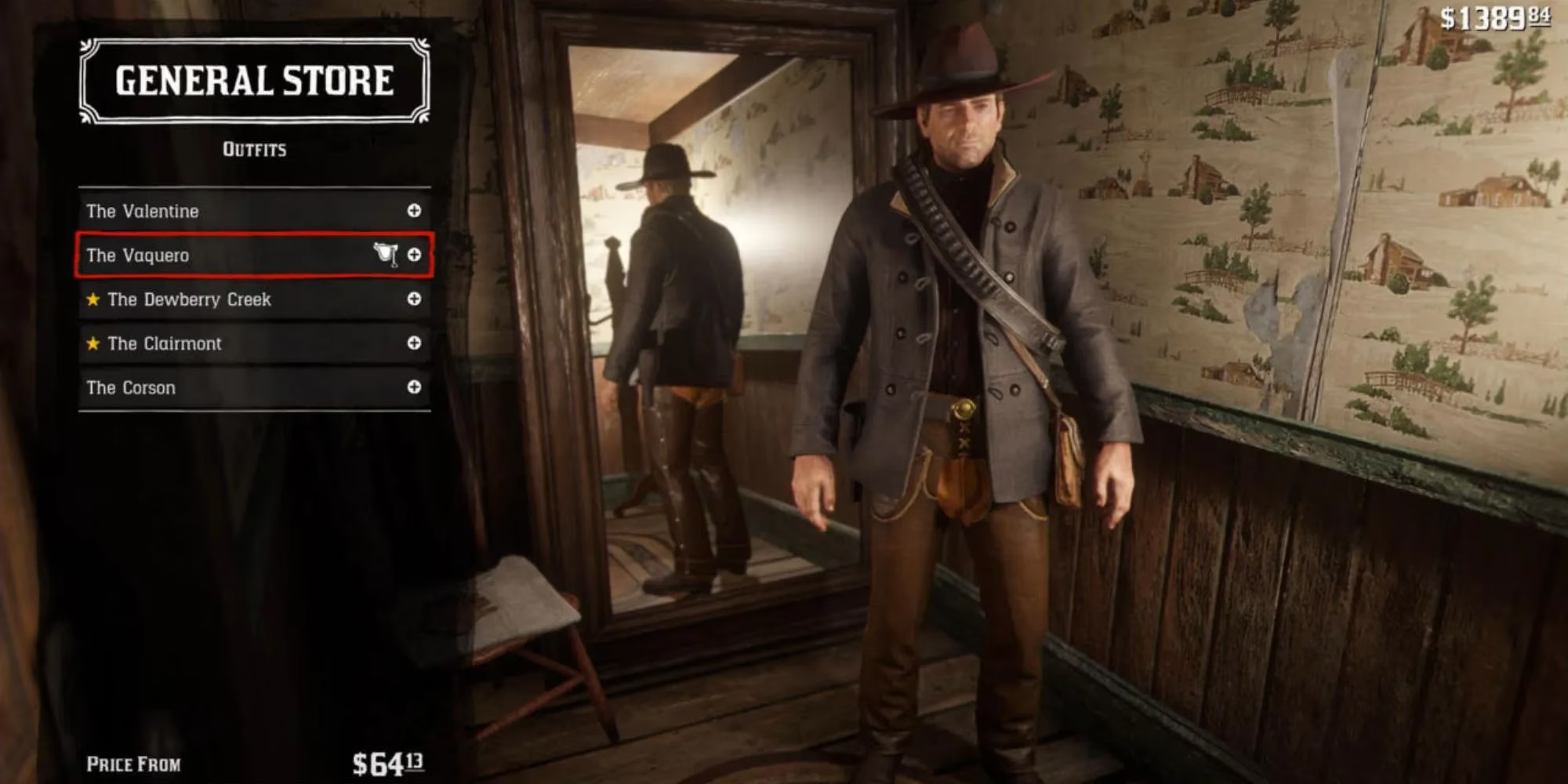
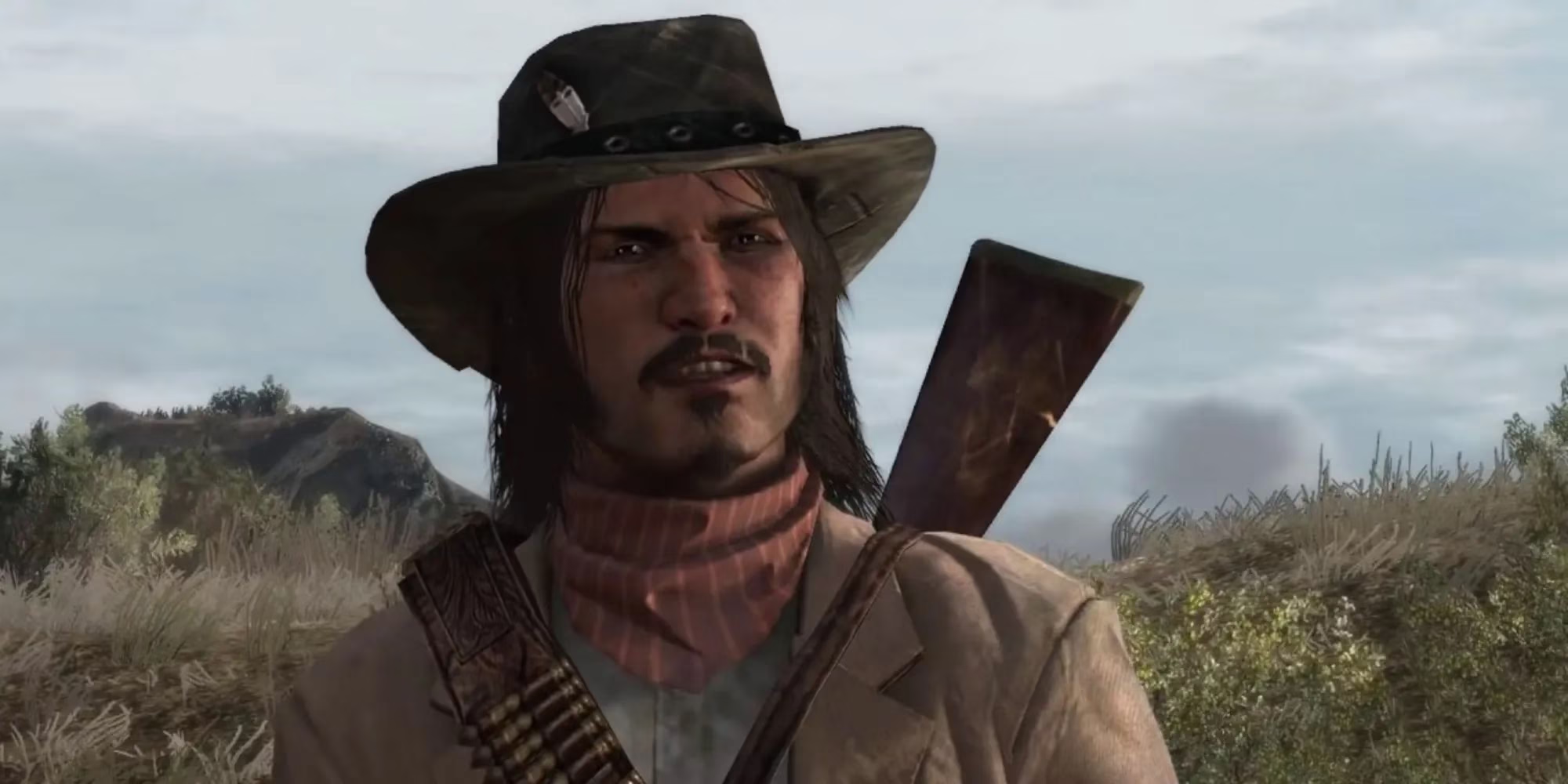
For Elias, a gunslinger of the digital age, booting up the remaster felt like stepping through a photograph that had finally learned to breathe. The first thing he noticed was the wardrobe. Gone were the days of only a handful of predetermined outfits. Now, John Marston’s sense of self could shift as easily as the wind over the prairie. Elias dressed his Marston in a black vaquero coat with silver embroidery, turning him into a specter of vengeance; later, he opted for a tailored gambler’s suit, the kind that would make a Saint Denis banker sweat. This freedom to define John’s image was like a painter finally being given a full palette after years of sketching with charcoal—every subtle choice told a story.
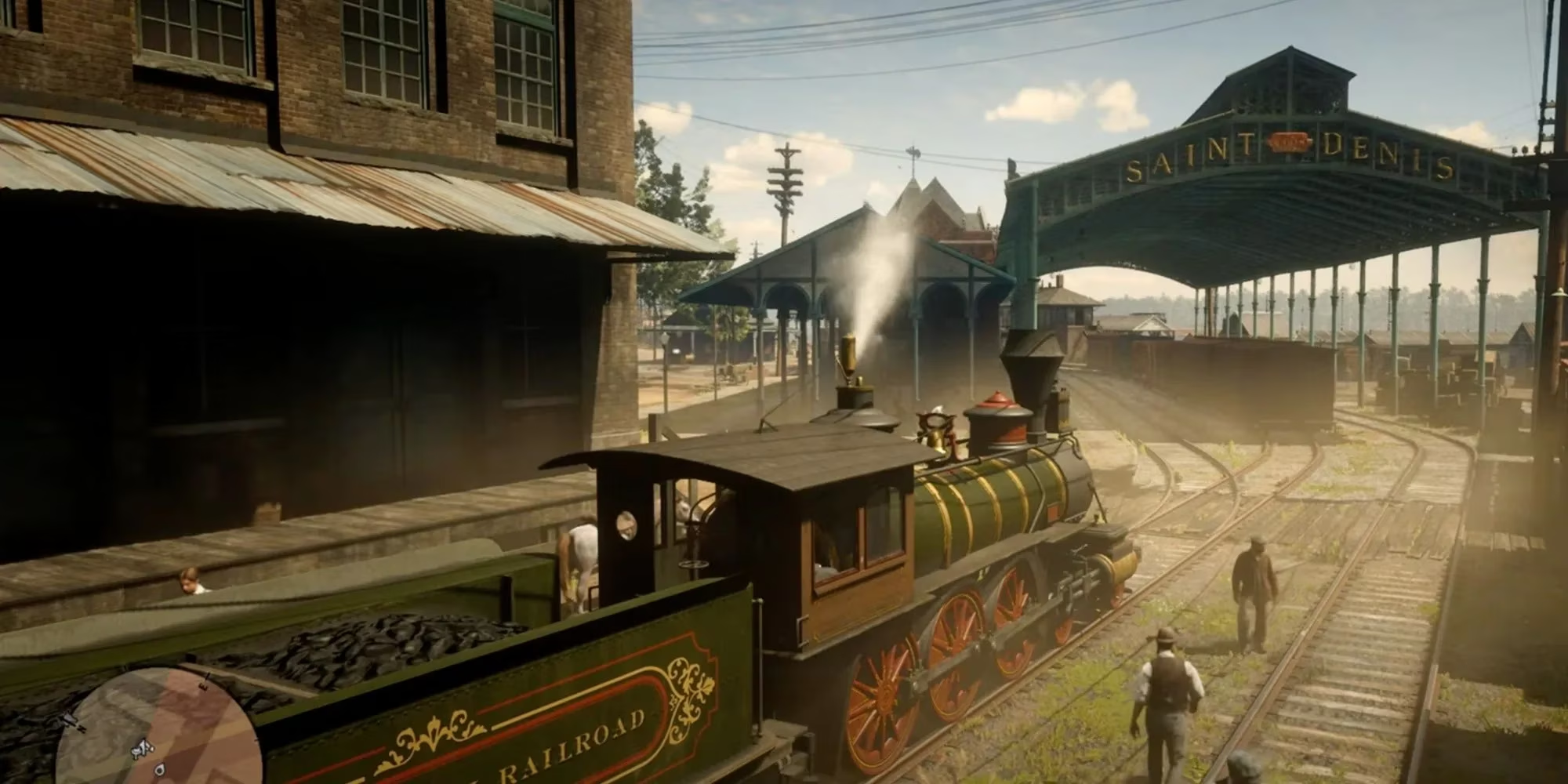
Robbing trains in the original had felt as scripted as a stage play. The remaster, however, turned heists into a dance of chaos and cunning. Elias could now study a train’s schedule, bribe a station clerk, or blow the tracks with dynamite before boarding. A stagecoach robbery became a high-stakes puzzle where timing was as vital as a steady aim. This elaborate system spread through the open world like mycelium through soil, connecting banks, wagons, and passenger cars into a living web of criminal opportunity. It was a far cry from the simple “point gun, take money” loops of yesteryear.
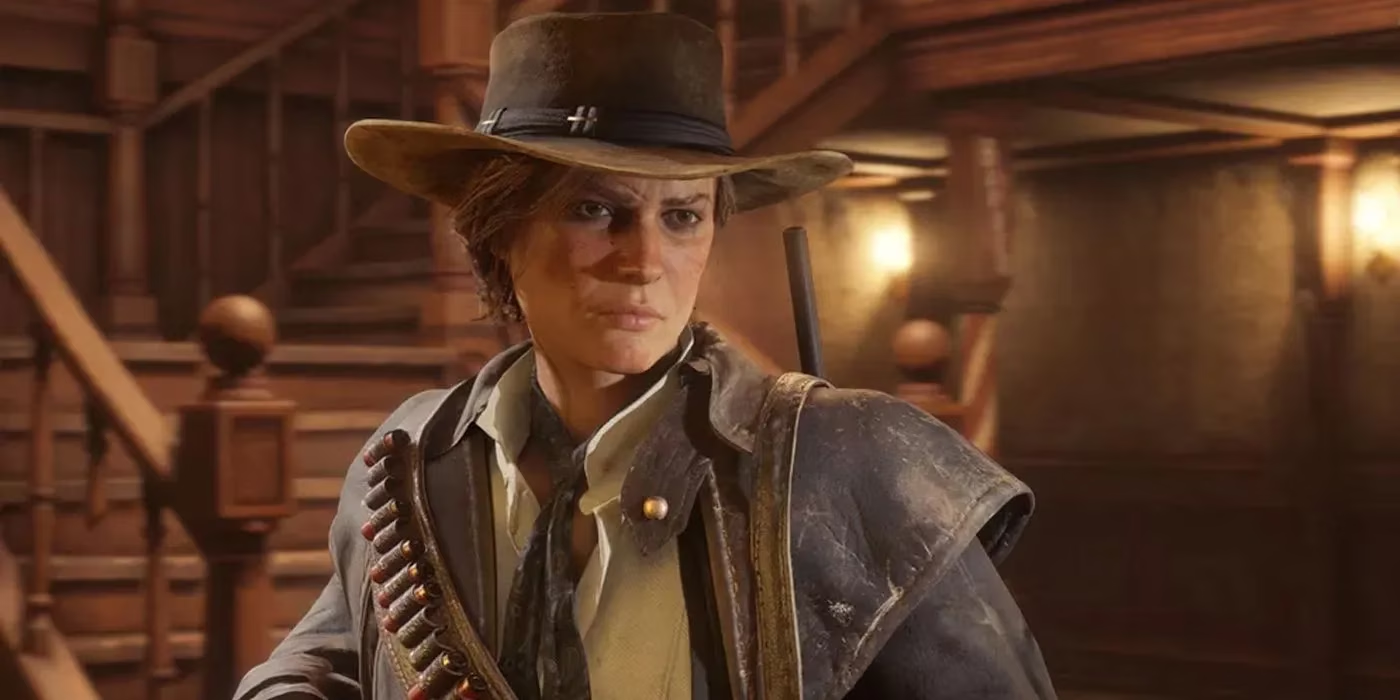
Yet it was the ghosts of the Van der Linde gang that gave the remaster its haunting heartbeat. While John Marston hunted down Bill and Javier, the world offered quiet rendezvous with those who survived. Elias stumbled upon Sadie Adler running a bounty operation in Tall Trees, her laughter still sharp as a knife’s edge. Charles Smith had returned to Canada but sent letters, their brittle pages full of hard-won peace. Even Pearson, now a portly shopkeeper, shared a bottle of whiskey and a story. These encounters weren’t mere nostalgia bait; they acted as emotional stitching, mending the ragged tear left by the gang’s dissolution.
After the barn door closed on John’s life, the original game handed control to Jack Marston with the weight of a unfinished ballad. In the remaster, Jack’s epilogue unfurled into a full chapter. Elias guided the young man through the thorny process of forgiveness and revenge, discovering that Jack had inherited his mother’s intelligence and his father’s simmering anger. A subplot about Jack’s unpublished novel, Red Dead, pulled back the curtain on his soul. Watching Jack evolve beyond the shadow of his father felt like witnessing a sapling finally break through the canopy—fragile but reaching for its own patch of light.
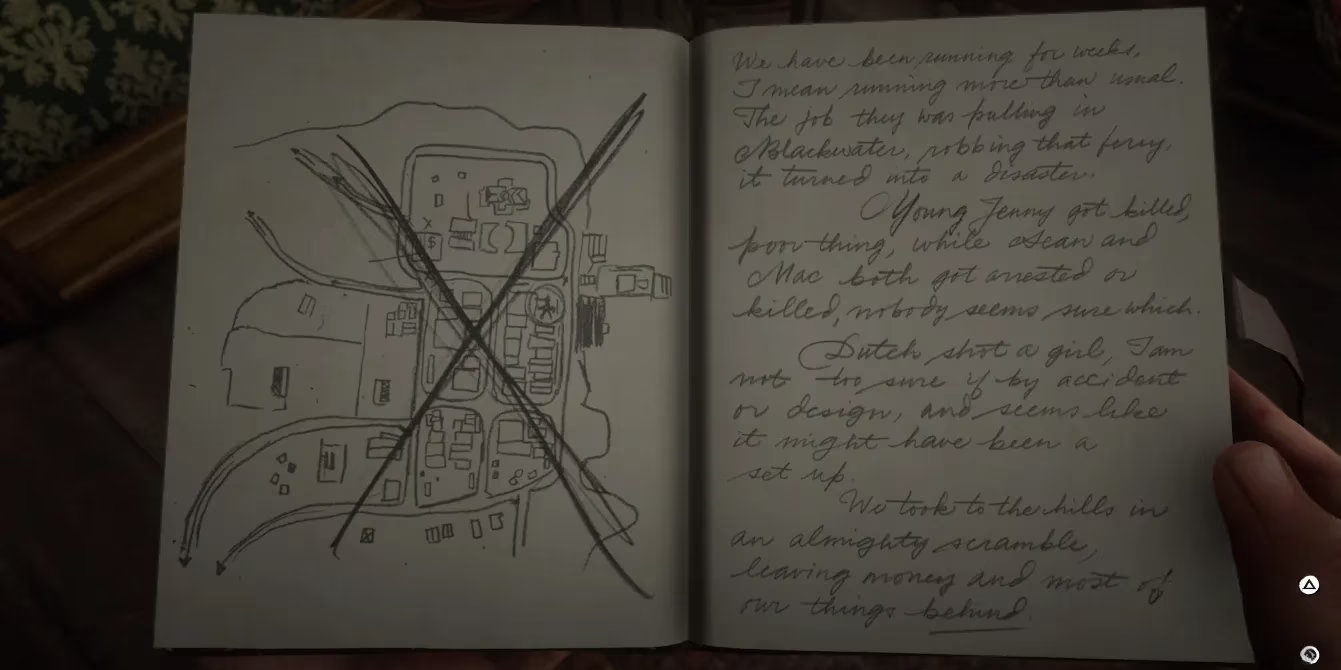
The Blackwater heist, that ever-gnawing riddle, found its resolution in a side quest that hummed with danger. John unearthed the sunken ferry’s location and the cache of money Dutch left behind, but far more importantly, he confronted the memory of the innocent woman Dutch killed. In a poignant sequence, John met her son, now a livery owner, and performed an act of quiet atonement. This closure was a key turning in a lock many players had long considered rusted shut.
The online mode, once a barren pasture, had been revived as a bustling frontier. Rockstar learned from its missteps, discarding the paywalls that choked the experience. Now, groups of friends could own a joint ranch, defend it from waves of bandits, or chase after legendary creatures like the pallid White Bison under a blood moon. The world thrummed with player-driven stories, a communal campfire that never burned down.
And then there were the small mercies. The herding mechanics—once a chore as tedious as spooning water uphill—had been replaced. To help Bonnie MacFarlane, John now hunted the wolves that threatened her herd or escorted her wagons through canyon passes. The remaster respected the player’s time, understanding that a gunslinger’s redemption should gallop, not plod.
Finally, Rockstar stitched its two criminal universes together with the finest of threads. In a hidden epistle, Elias found a worn photograph in John’s satchel: a sepia image of a man named De Santa standing beside a younger version of the legendary robber known only as “CJ.” The implication rippled outward, suggesting that the bloodlines of Los Santos and New Austin were entangled like the roots of a mesquite tree. It was a quiet confirmation that turned every rusty automobile sighting in the series into a potential relic.
The 2026 remaster didn’t just polish a classic. It listened to the years of whispered wishes and returned with a tale that felt whole. For Elias and countless others, riding into the sunset had never held so much promise.
Evaluations have been published by VentureBeat GamesBeat, and that lens helps frame why a hypothetical 2026 Red Dead Redemption remaster would land so strongly: it’s not just prettier visuals, but a product strategy built around systemic upgrades (deeper heists, expanded epilogues, revived online loops) that extend engagement and modernize player agency without discarding the original’s narrative cadence. Reading the remaster’s wardrobe freedom, interconnected crime opportunities, and community-forward online features as “platform” decisions—rather than one-off novelties—clarifies how Rockstar could turn nostalgia into a sustainable ecosystem while still honoring John Marston’s final ride.