Bittersweet Endings in Video Games: Five Stories That Balance Loss and Hope
Bittersweet endings in video game storytelling use trade-offs; five story-driven games show how loss and victory shape unforgettable narrative design.
In video game storytelling, the final moments often decide whether a journey lingers in memory. Happy endings can be wholesome, and tragic endings can be unforgettable, but the bittersweet conclusion occupies a rare middle ground. It mixes relief with regret, victory with cost, and closure with lingering doubt. As of 2026, that balance remains one of the most discussed craft challenges in narrative design, and five widely cited examples continue to show how it can be done well. 🎮
Spoiler warning: the following discussion covers major endings for several story-driven games.
Why Bittersweet Endings Resonate
A bittersweet ending does not simply punish players or reverse a hero's progress. It asks them to accept a trade-off. The protagonist may save a community but lose a loved one, expose the truth but destroy a reputation, or defeat an enemy while recognizing that the victory solves less than expected. That structure gives a climax both emotional weight and narrative logic. It also avoids two common pitfalls: the generic happily-ever-after and the grim finale that feels engineered only to shock.
| Game | Central trade-off | Sweet note | Bitter note |
|---|---|---|---|
| Life Is Strange | Save Chloe or Arcadia Bay | The town and its residents survive in one ending | Chloe is lost |
| The Last of Us | Save Ellie or preserve a possible cure | Ellie lives and the pair continue together | Joel's choice and lie cloud the rescue |
| Metal Gear Solid 3 | Complete the mission or honor the mentor | War is avoided and The Boss is vindicated | Snake kills the hero he admired |
| Batman: Arkham City | Save the Joker or accept his fate | Batman's restraint defines him | The Joker dies and the victory is hollow |
| Red Dead Redemption 2 | Avenge Arthur or move on | Micah is defeated | Arthur remains gone, and the consequences reach John |
5. Life Is Strange
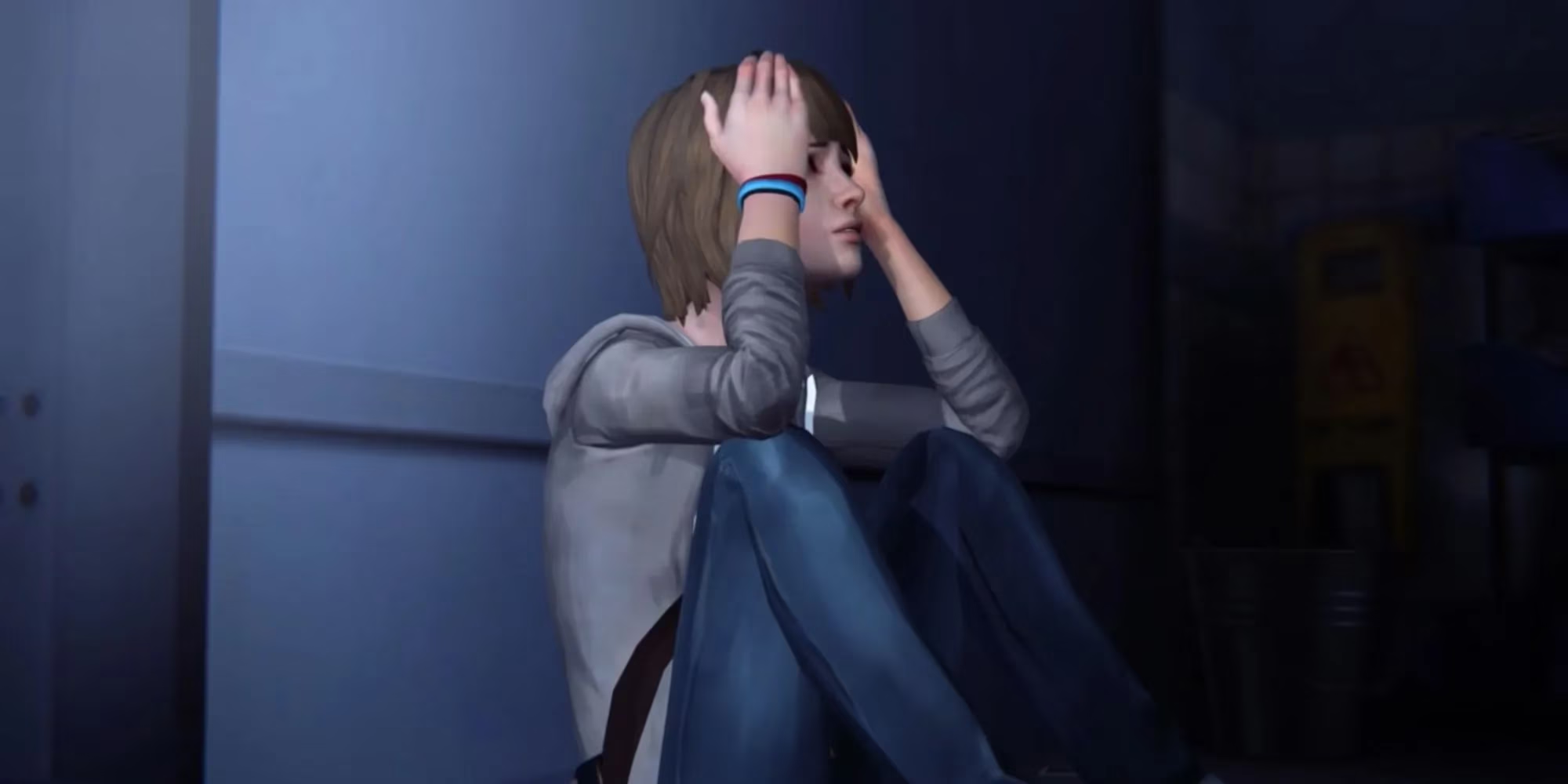
The first Life Is Strange builds its finale around one of the most difficult choices in modern adventure games. Max discovers that her use of time travel is tied to the storm threatening Arcadia Bay. To stop the disaster, she must return to a point before she intervened. That return also means allowing Chloe, her closest friend, to die. The game offers players two painful paths: sacrifice Chloe or sacrifice the town.
The sacrifice-Chloe ending is often cited as the more bittersweet resolution. Max must stand by while her friend dies, and the loss is especially sharp because Chloe is one of the series' most memorable characters. Yet the town survives. The sequence is not a happy ending in any simple sense. It is a survival ending with a personal cost, and that cost gives the choice its lasting force.
4. The Last of Us
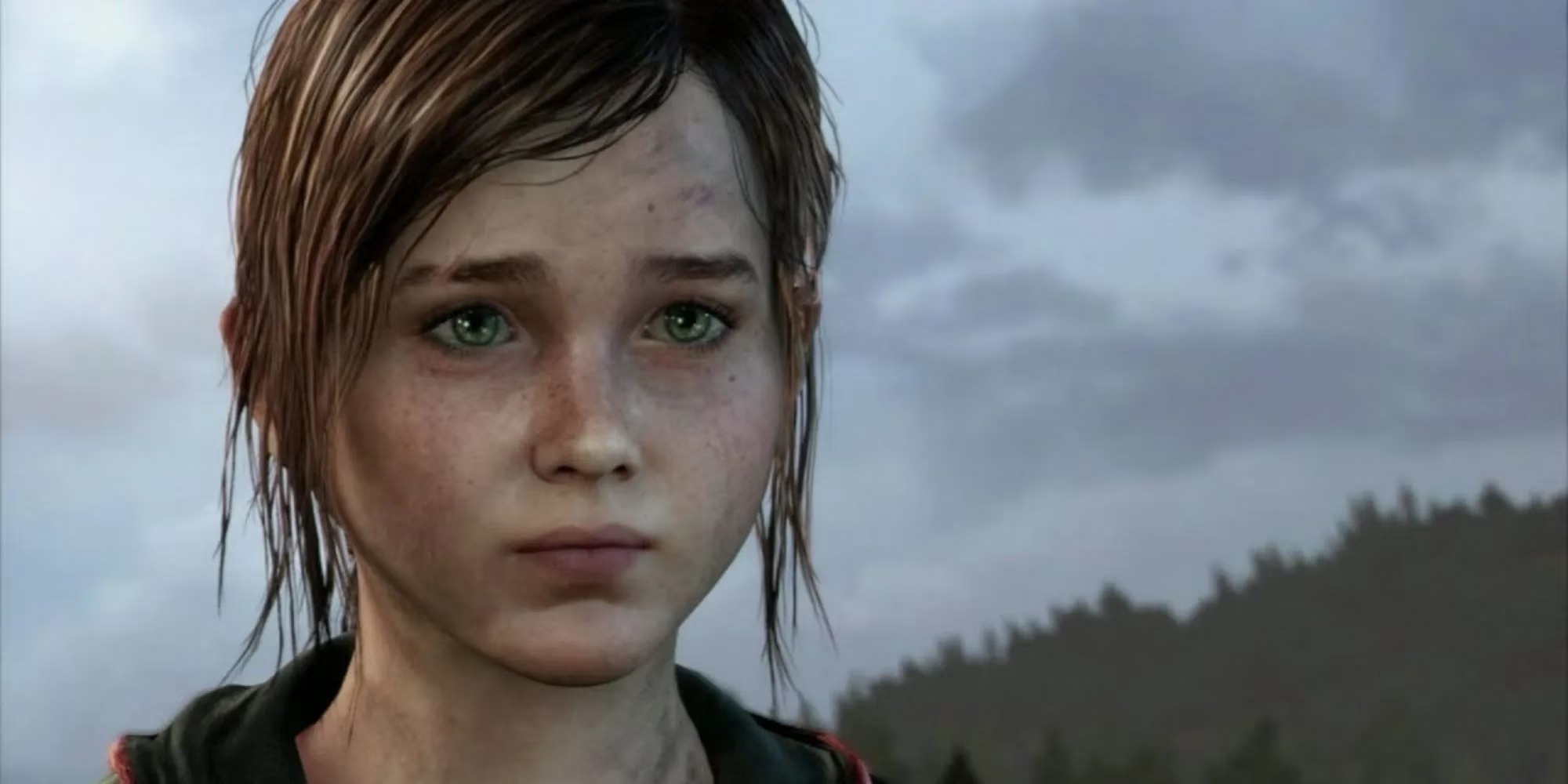
The closing chapter of The Last of Us turns Joel's heroism into an open question. The Fireflies believe they can develop a cure by operating on Ellie, a procedure that will kill her. Joel, still wounded by the loss of his biological daughter, refuses to accept another child's death. He kills the Fireflies and takes Ellie away.
The rescue is emotionally powerful but morally unsettled. Joel may have doomed humanity's best chance at recovery, and he lies to Ellie about what happened. The sweet element is narrow but real: Ellie is alive, and the two central characters leave together. The bitterness comes from everything surrounding that survival. The ending works because it refuses to separate love from damage.
3. Metal Gear Solid 3: Snake Eater
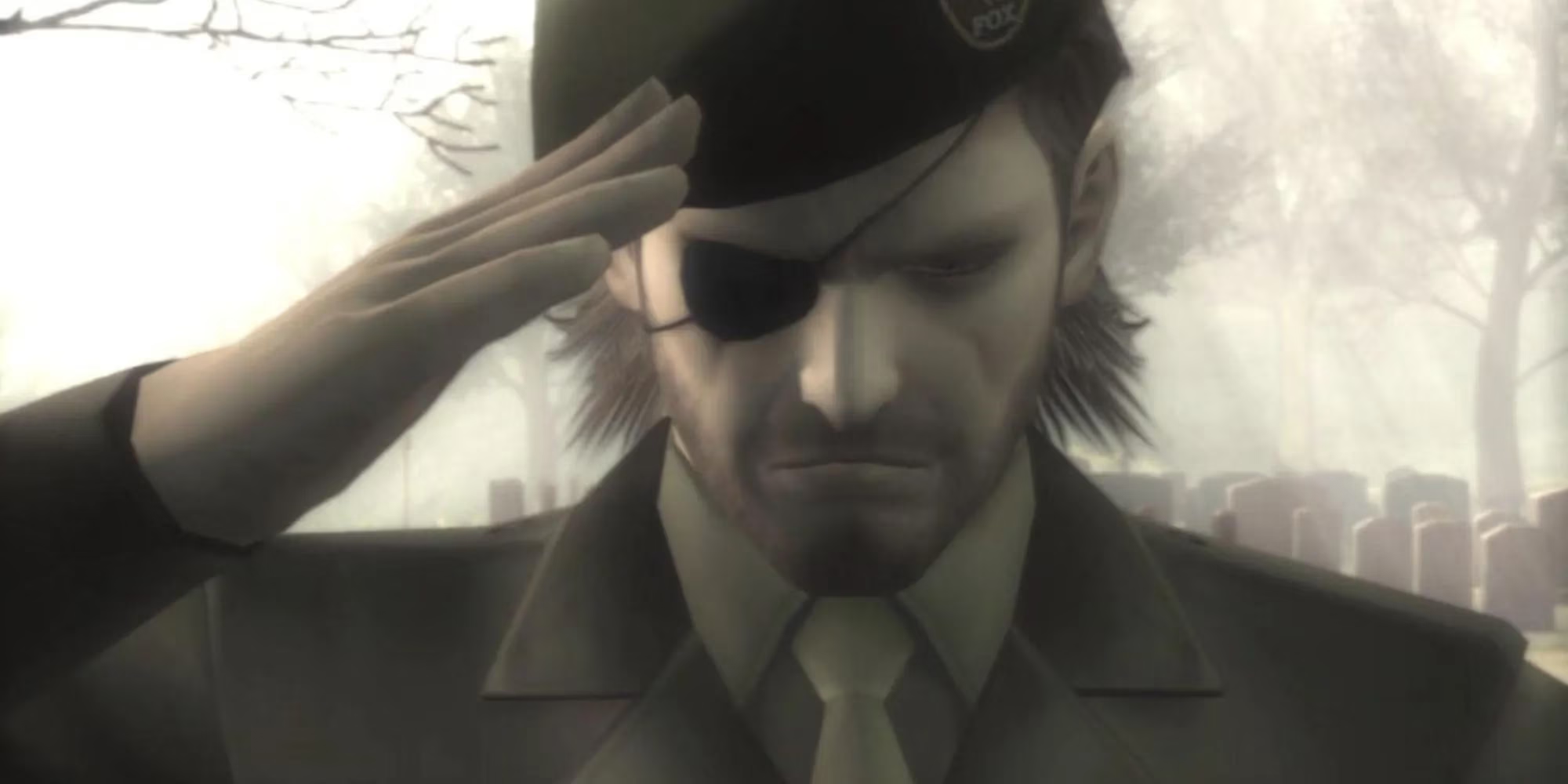
Metal Gear Solid 3 presents its final revelation as both a political tragedy and a personal one. Naked Snake is sent to stop Colonel Volgin and to kill his former mentor, The Boss, who appears to have defected to the Soviet Union. He completes the mission and returns as a hero. Only afterward does he learn that The Boss never truly betrayed her country. She had been operating on behalf of the United States, and she accepted death to prevent a wider war.
The truth is bittersweet in the most direct sense. The world avoids catastrophe, and The Boss is proven to be the loyal soldier Snake believed she was. But Snake has killed her to make that outcome possible. The final salute carries grief, respect and the weight of a mission that turned heroism into a burden.
2. Batman: Arkham City
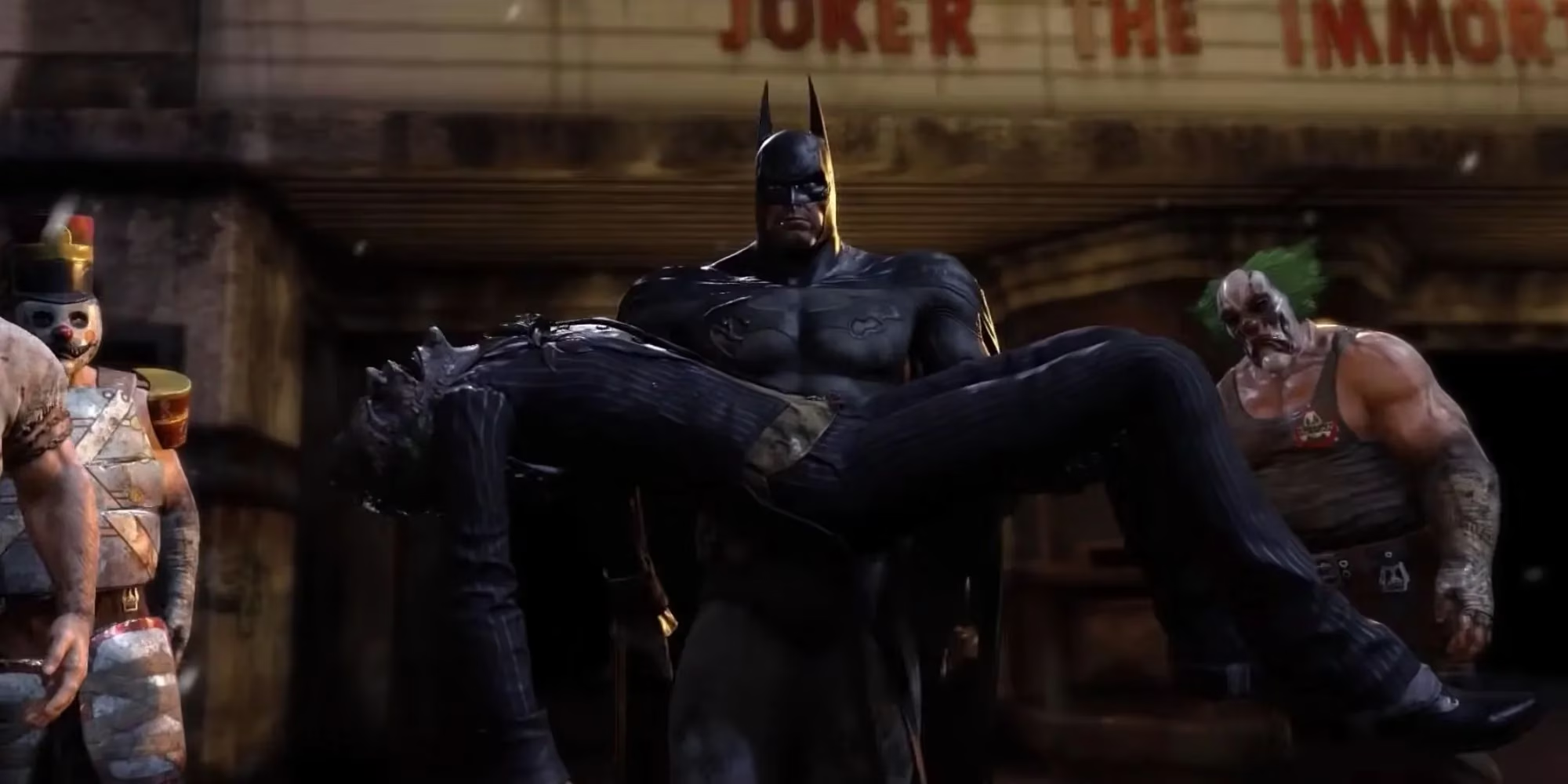
Arkham City places Batman and the Joker in a race against the same deadly toxin. Batman secures a cure for himself, then confronts the Joker after stopping the villain's bid for immortality. He considers whether to share the remaining cure. Before the decision is settled, the Joker attacks him, and the vial breaks.
The Joker dies laughing, aware that Batman would still have tried to save him. That detail is what makes the scene somber rather than triumphant. Batman's commitment to preserving life means he takes no pleasure in his enemy's death. When he carries the Joker's body out to the police, the moment reads as a defeat for the city's moral clarity as much as a victory over a criminal. The sweet note is that Batman remains true to his code. The bitter note is that the code cannot undo the loss.
1. Red Dead Redemption 2
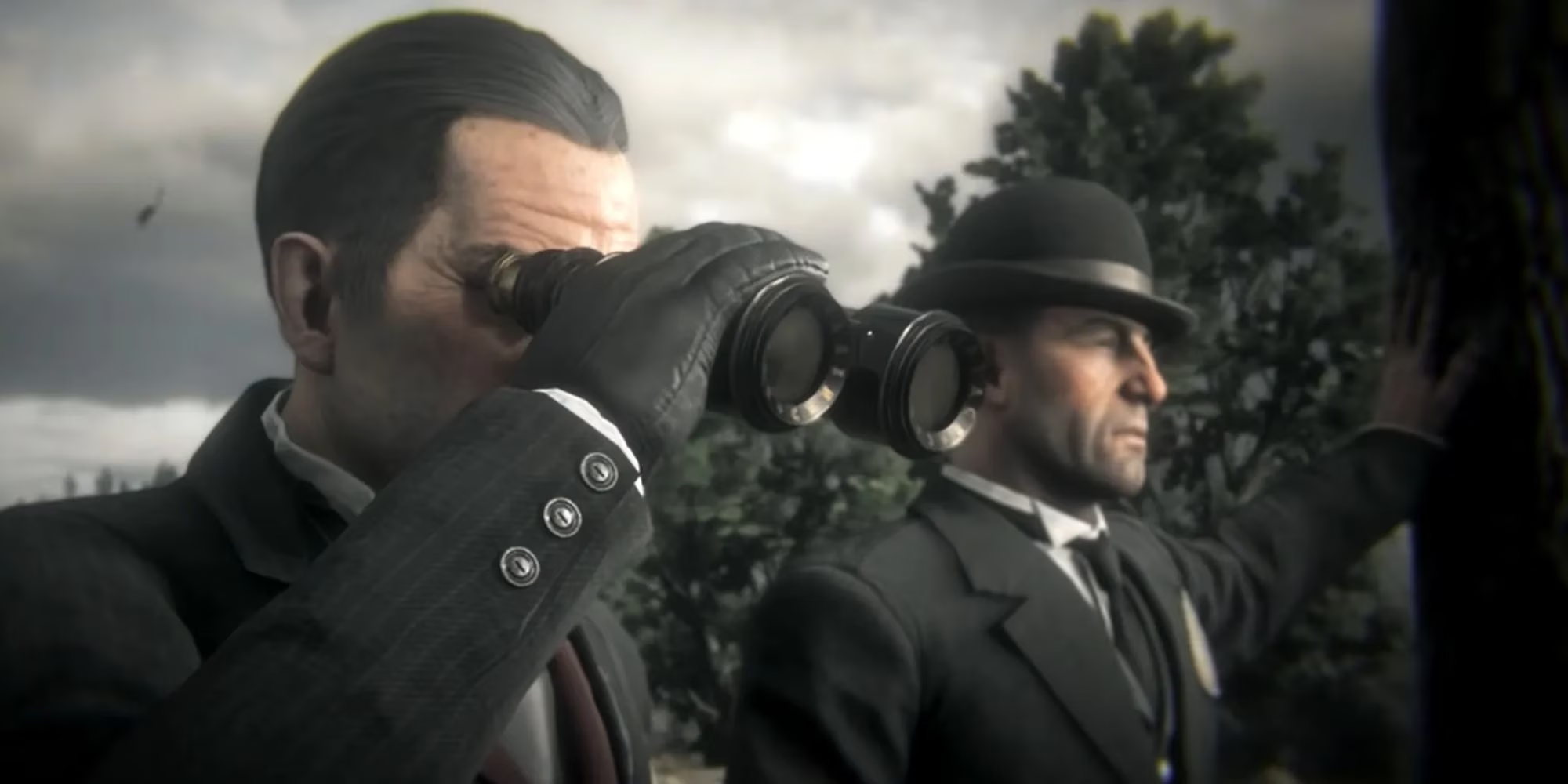
Red Dead Redemption 2 ends Arthur Morgan's story with exhaustion, sacrifice and a long shadow. After Arthur's final confrontation with Micah Bell, the epilogue shifts to John Marston, who tries to build a peaceful life. John still wants justice for Arthur, the man who helped keep his family safe. He and a few allies track Micah down, and John kills him.
The revenge is satisfying in the short term, but it is not clean. Arthur is still dead, and the mission draws the attention of the Pinkertons. Players who know the first Red Dead Redemption understand that the pursuit eventually reaches John and his family. The ending therefore offers a double dose of bittersweet logic: vengeance honors a friend, but it also feeds a cycle that will claim another life. 🌅
Enduring Appeal in 2026
These five games differ in genre, tone and mechanics, yet they share a similar narrative principle. Their endings are specific. They grow from choices, relationships and consequences that the stories have already established. They do not rely on a sudden twist alone. Instead, they let players feel the cost of a decision that cannot be reversed.
In 2026, the discussion around video game endings is still shaped by those examples. Studios continue to debate how much agency players should have, whether a final choice should be binary, and how to deliver closure without removing ambiguity. The strongest bittersweet endings suggest that closure does not require comfort. It requires meaning. When a game can offer both loss and hope in the same final scene, it can turn an ending into a memory that players carry long after the credits. 💔